12
Total posts
12
Published
0
Drafts
Edit post
← Back to listAll posts
| Title | Category | Date | Status | Actions | |
|---|---|---|---|---|---|

|
NNEAT has officially joined the European Cyber Security Organisation (ECSO), marking a major milestone in our European growth. This membership reinforces our commitment to advancing cyber visibility, continuous threat exposure management, and strategic autonomy across the continent.
|
Company | Jul 2026 | Published | |

|
NNEAT joined BIND's 10th Demo Day to demonstrate how our continuous, threat-informed exposure management helps mid-market companies and MSSPs turn security complexity into clear action.
|
Company | Jul 2026 | Published | |

|
We returned to London with a significantly evolved NNEAT Surface, new EASM capabilities and a clear message for the UK MSSP and partner ecosystem.
|
Company | Jun 2026 | Published | |
|
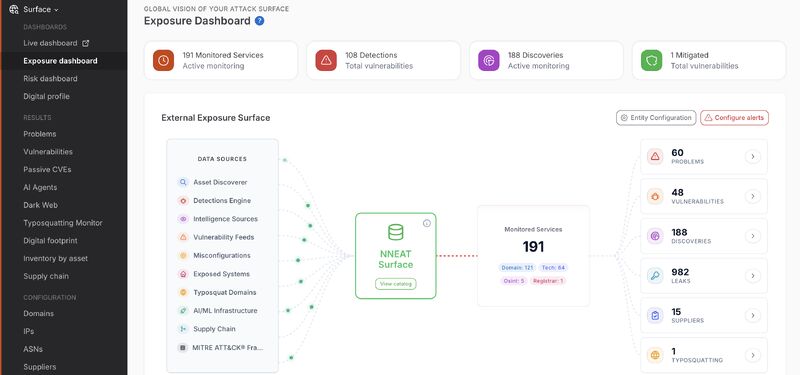
Version 1.7 adds exposed AI agent monitoring, corporate digital footprint via OSINT, dark web intelligence, typosquatting surveillance and an MCP server for AI assistant integration.
|
Product | May 2026 | Published | |

|
Dan Brett and Roberto Izquierdo attended the European ATT&CK workshop in Brussels to discuss ATLAS, threat-informed defence and the future of security frameworks.
|
Industry | May 2026 | Published | |
|
Through the BIND programme, NNEAT validated its AI-assisted exposure management approach with Elecnor Group, connecting security posture with the threats that actually matter in industrial environments.
|
Industry | May 2026 | Published | |
|
The Anthropic Claude Code exposure incident is a perfect case study: development tooling and AI models create attack surface that most security teams are not yet monitoring.
|
Product | Apr 2026 | Published | |
|
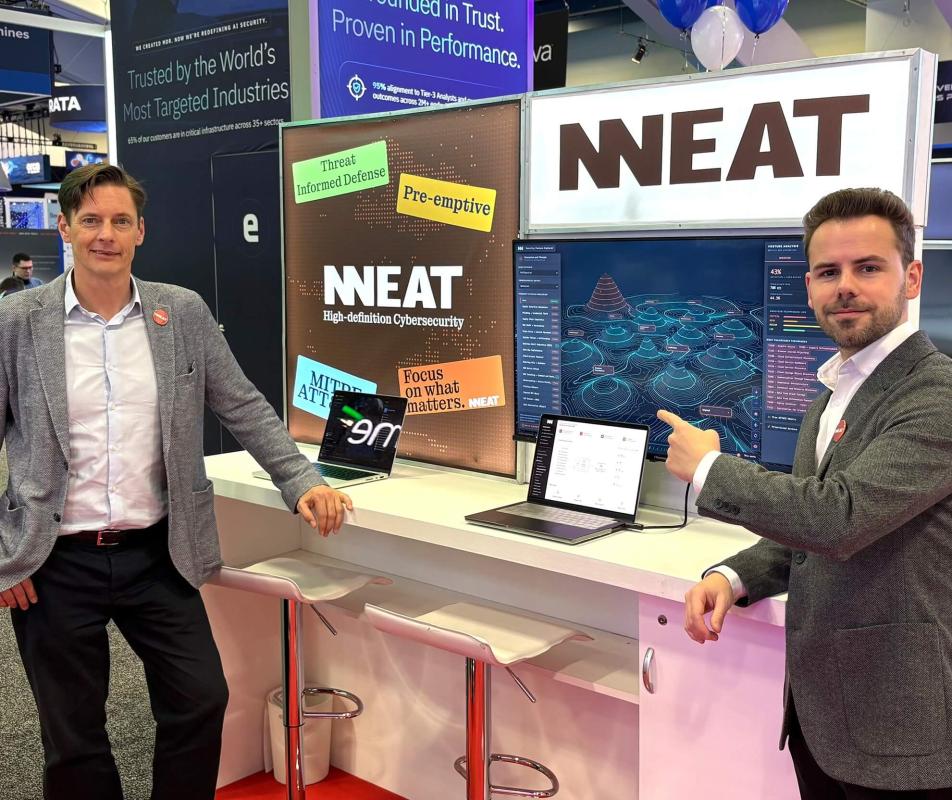
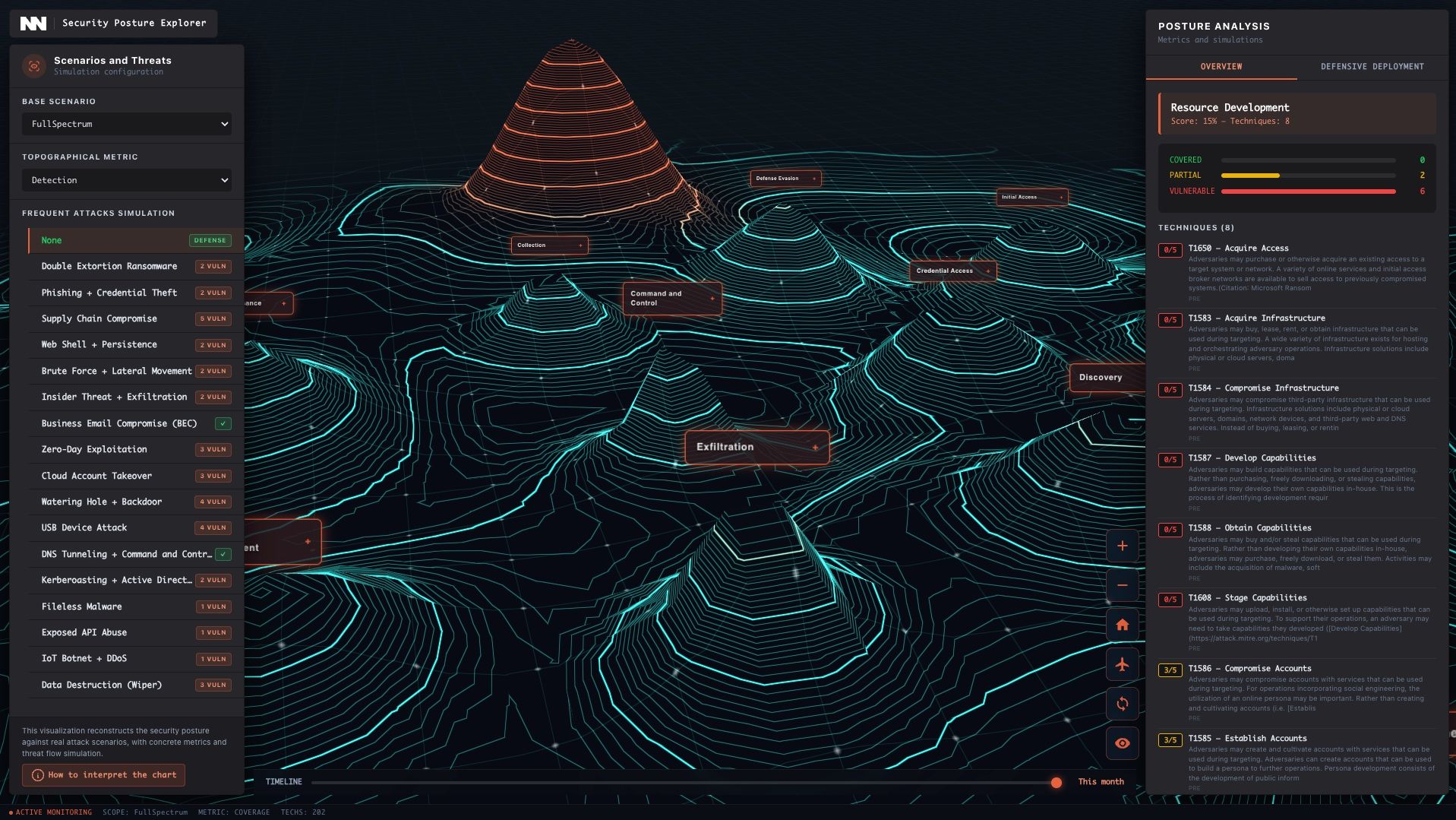
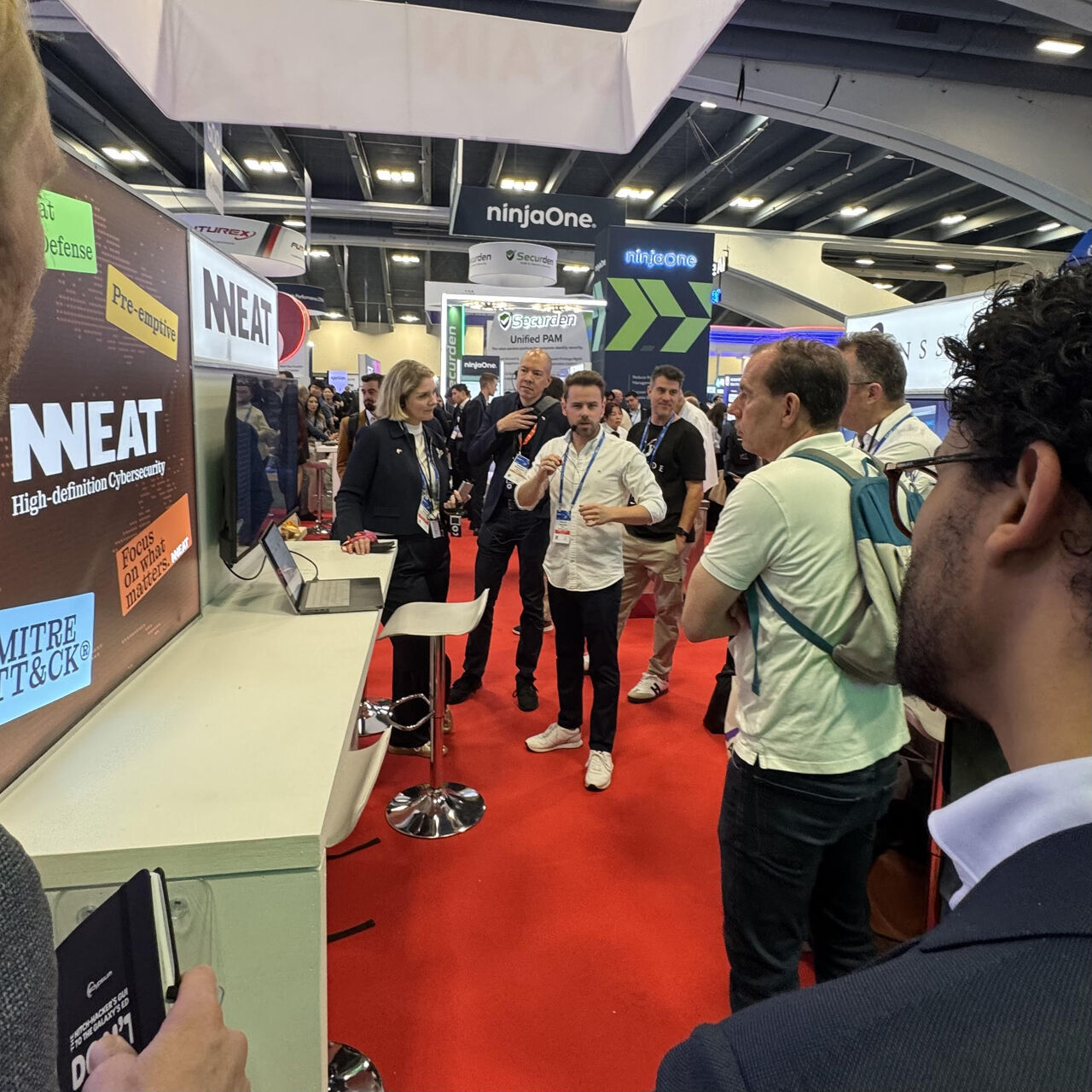
The NNEAT team presented at RSA 2026 how Surface and TADR help mid-sized organisations identify relevant threats and measure the effectiveness of their defences without enterprise-level resources.
|
Company | Mar 2026 | Published | |
|
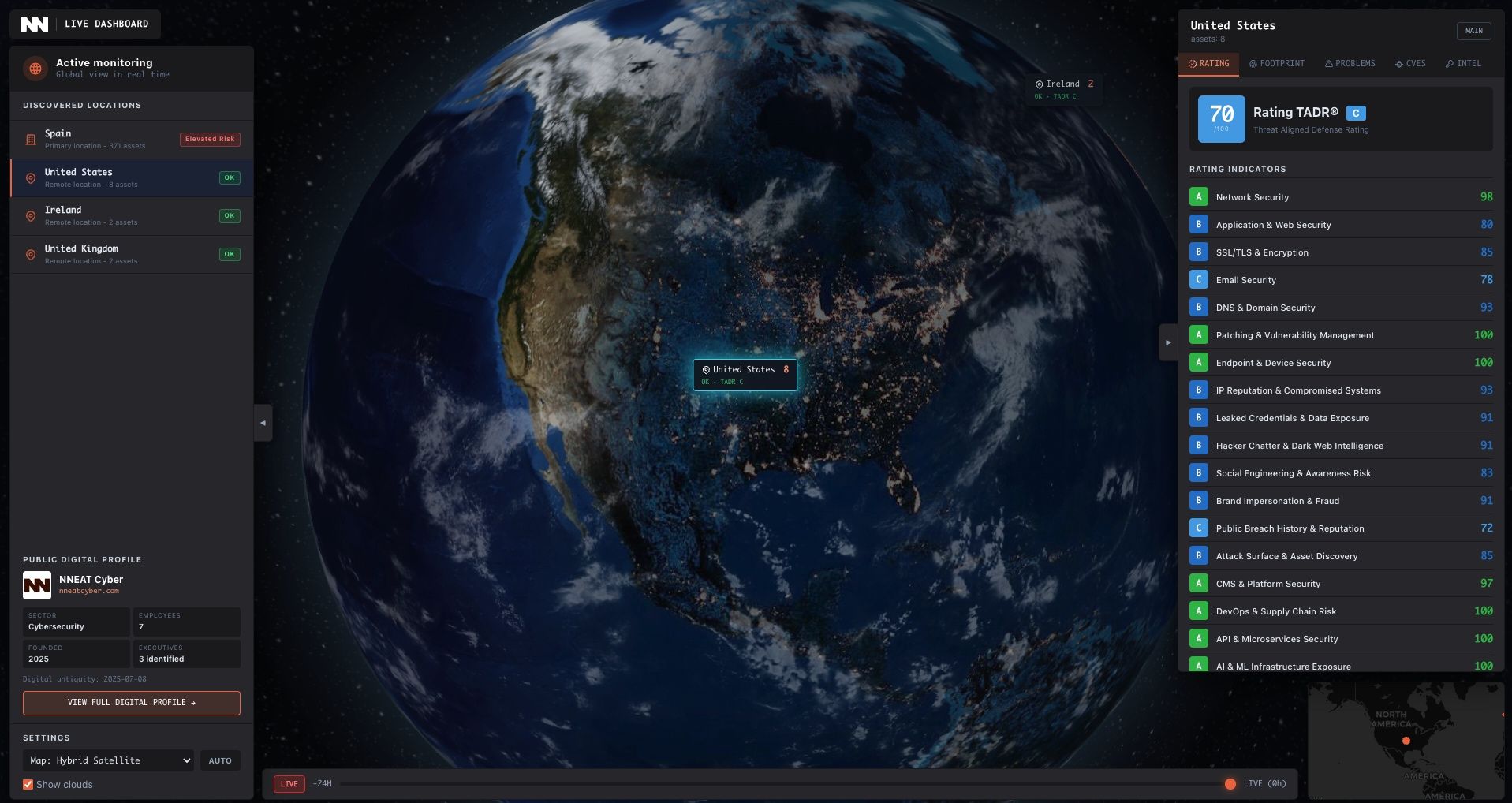
NNEAT Surface's new geolocalized exposure dashboard translates technical external attack surface data into language that CFOs, CIOs and board members understand and can act on.
|
Product | Mar 2026 | Published | |
|
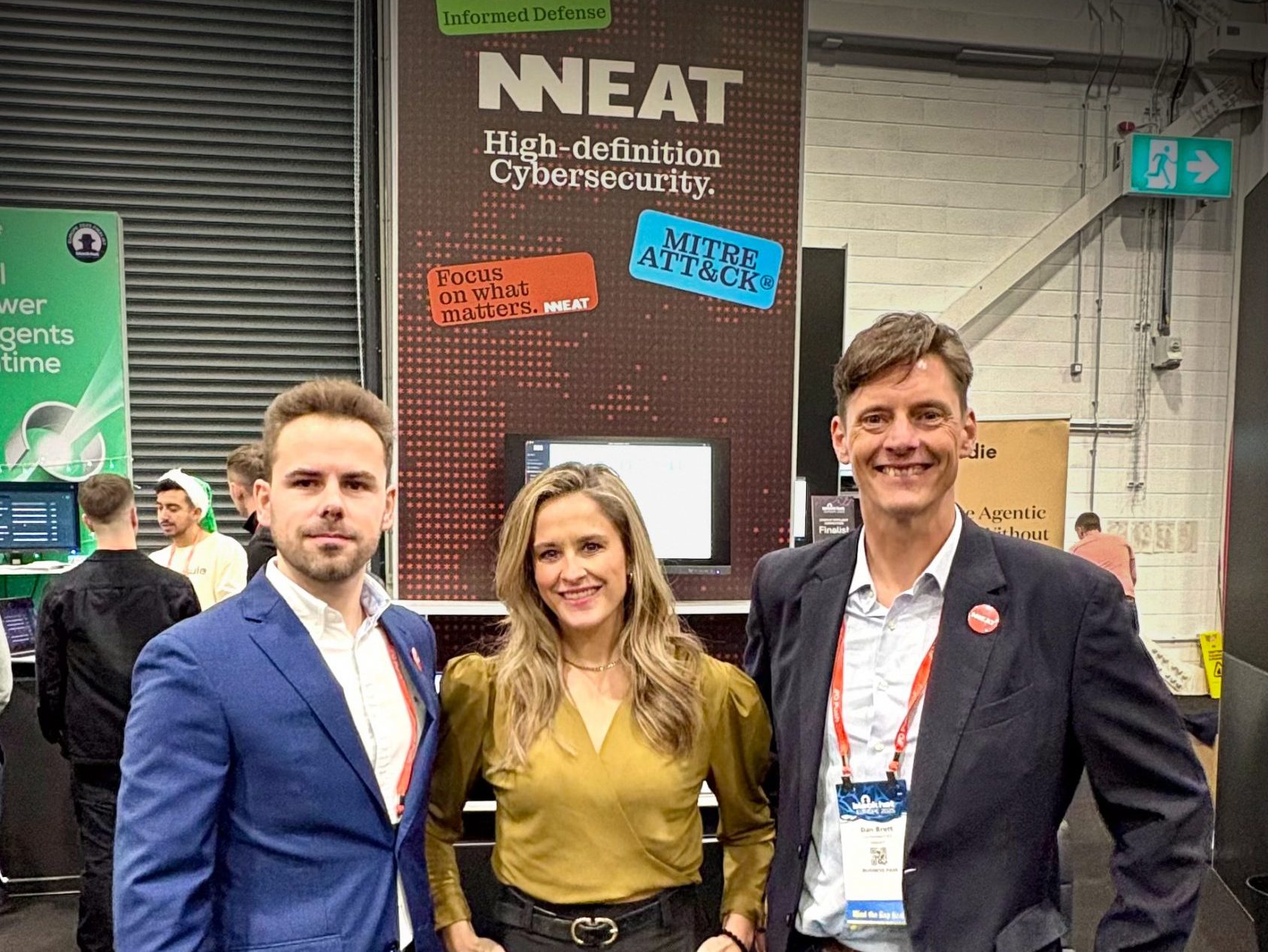
NNEAT has officially launched its international expansion at Black Hat Europe 2025. Discover how we are stepping onto the global stage to bring accessible, real Threat-Informed Defense to resource-constrained CISOs.
|
Company | Dec 2025 | Published | |

|
Measuring cybersecurity efficiently is a challenge. Discover how the NNEAT Threat-Aligned Defense Rating (TADR™) uses real-time internal data to objectively quantify your security posture and demonstrate its value to management.
|
Industry | Aug 2025 | Published | |

|
CISOs face the major challenge of justifying cybersecurity investments to management due to technical language barriers. Discover how to simplify this communication by transforming complex data into visual metrics and recommendations based on solid standards.
|
CISO | Aug 2025 | Published |
NNEAT Blog Admin · Key: 4e9b2f1c…